Building Leadership and Communicating Impact: Key Insights from the RUFORUM Pre-AGM Activities
Building Leadership and Communicating Impact: Key Insights from the RUFORUM Pre-AGM Activities
How can African Universities demonstrate transformative impact in their countries? Last week, RUFORUM’s pre-AGM activities tackled this question head-on, convening leaders from across the continent to focus on two powerful levers: leadership and strategic communication in partnership with the Mastercard Foundation.

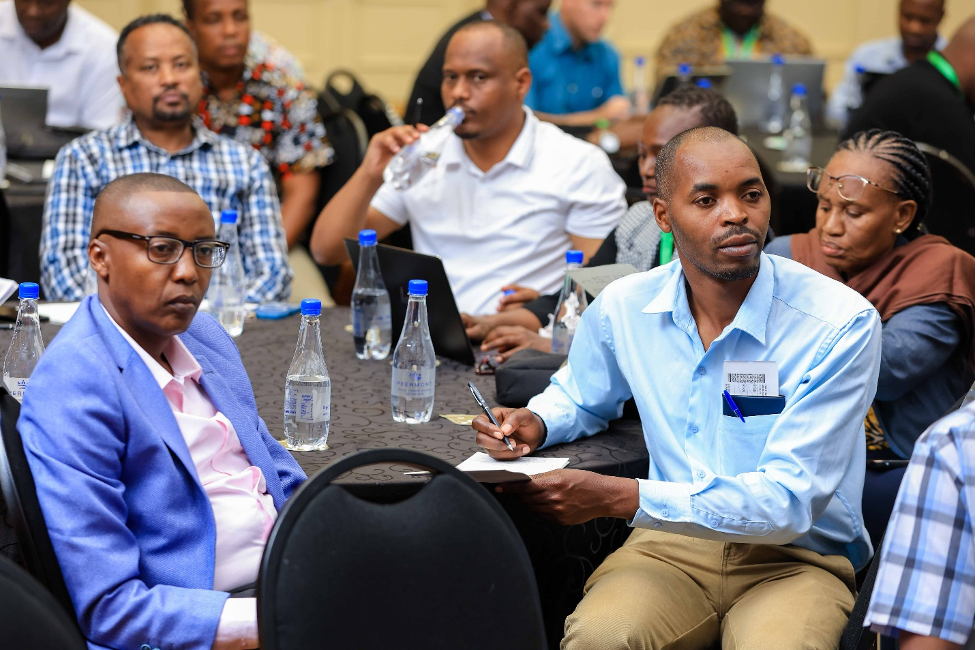
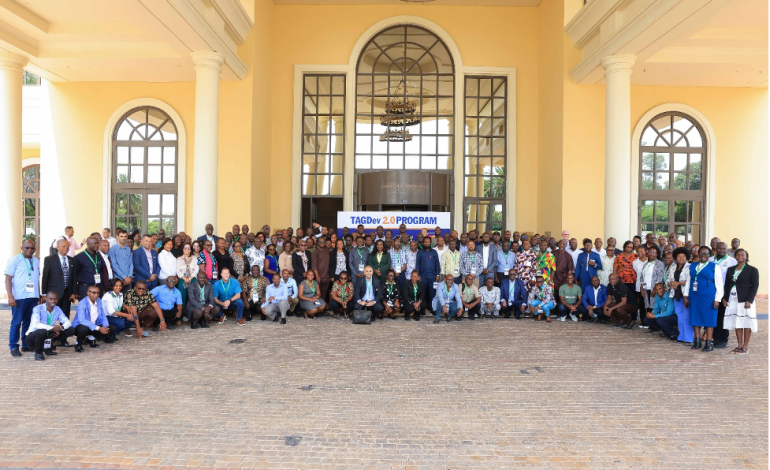
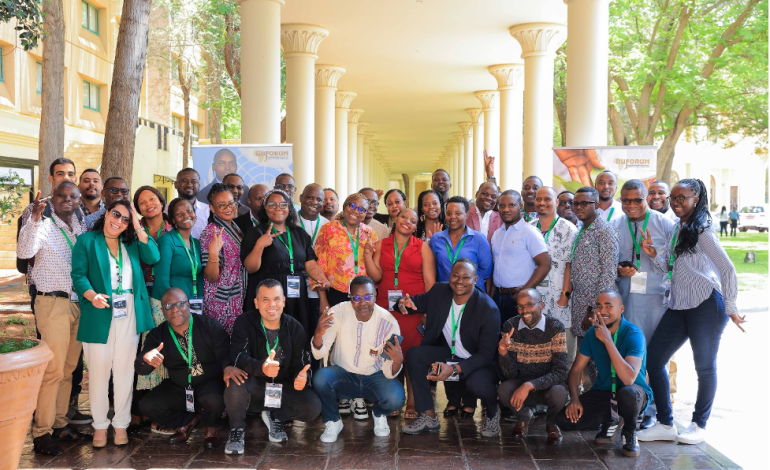
The activities brought together university leaders, TAGDev 2.0 Implementing Universities including Uganda Martyrs University, communications teams, MEL officers, and stakeholders. The week created a rich environment for learning, strengthening institutional capacity, and reflecting on the collective work needed to transform higher education in Africa.
One of the key engagements was the leadership development training for university managers, designed to strengthen leadership capacity across the RUFORUM Network. The sessions highlighted the importance of equipping leaders with practical skills to navigate the complex and rapidly changing higher‑education landscape.
As one facilitator noted, “Strong institutions are built on the strength of their leaders; when we invest in leadership, we invest in the future of African higher education.” Participants explored adaptive leadership approaches, stakeholder engagement, inclusion, dealing with personal “dragons” and strategic decision‑making; reinforcing the central role that visionary leadership plays in shaping institutional resilience.
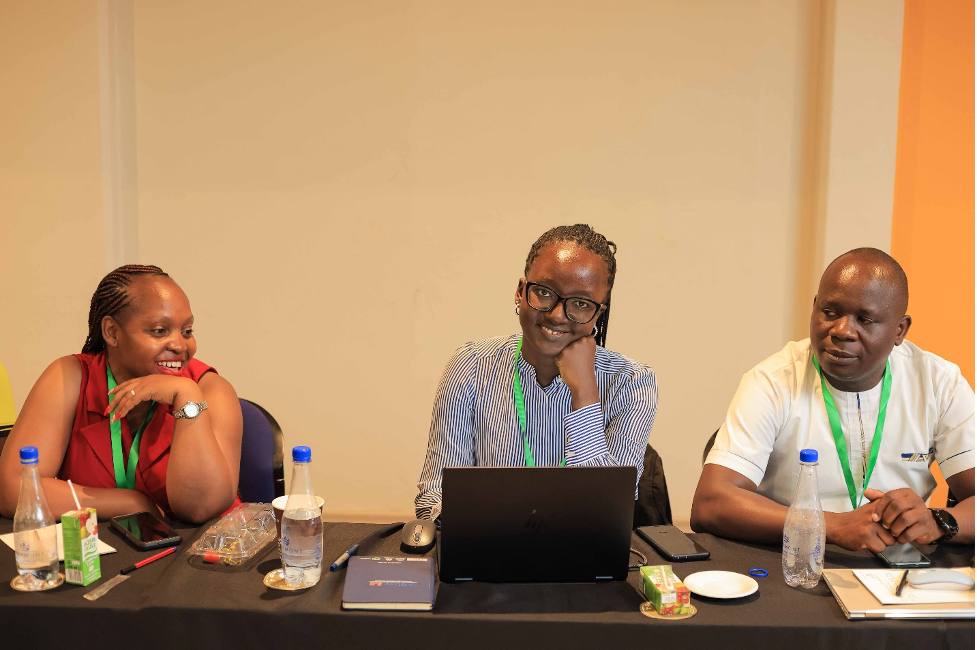
Communication was another strong theme that resonated throughout the week. Teams were encouraged to adopt structured communication strategies that ensure consistency, clarity, and purpose in how universities communicate their work. Discussions emphasised that communication should not be an afterthought but an intentional and integral part of planning. As expressed during the sessions, “Every activity must have a communication plan, and every communication output must be anchored in purpose.” The importance of impact storytelling was also highlighted.
A compelling impact story should clearly articulate the problem, intervention, and measurable change while amplifying the voices of beneficiaries. This human‑centred approach ensures authenticity and strengthens the visibility of institutional achievements.
Another major highlight was the joint Monitoring, Evaluation & Learning (MEL) and Strategic Communication workshop, which underscored the need for collaboration between the two functions. Participants observed that when MEL and Communications work in isolation, valuable data remains underused and impactful stories untold. But with collaboration, institutions not only demonstrate evidence‑based results but also elevate the visibility of their work. As one participant remarked, “Data gives us credibility, but stories give us visibility.” This reinforced the need for integrated planning, shared workflows, and aligned messaging.
Across all engagements, several key lessons emerged: the importance of strong and intentional leadership, structured communication strategies, integrated MEL‑communications efforts, strengthened regional collaboration, and prioritising inclusive education for refugees and displaced youth. The week reaffirmed RUFORUM’s commitment to transforming higher education through capacity development, evidence‑based reporting, collaborative networks, and youth empowerment.
Here are the key takeaways from the pre–AGM Activities:
- Leadership capacity is essential – Strengthening leadership in universities directly strengthens institutional resilience and long-term sustainability.
- Communication must be strategic and intentional – Every activity should have a communication plan that clearly aligns with institutional and network goals.
- Impact stories require both data and human voices – MEL evidence strengthens credibility, while stories bring visibility and emotional connection.
- MEL and Communications teams must collaborate – Integrated workflows ensure that evidence is translated into compelling narratives that influence policy, fundraising, and public engagement.
- Regional collaboration is vital – Strengthening sub-regional and inter-regional operations enhances harmonisation, shared learning, and resource mobilisation.
- Inclusive education for refugees, differently abled persons and displaced youth remains a priority – Institutions must create flexible, supportive systems to ensure access and success for all learners.
- Partnerships amplify impact – Engagements throughout the week reaffirmed the value of partners such as the Mastercard Foundation in driving the network’s vision.
These reflections capture the essence of the week’s learnings and set the stage for continued growth as RUFORUM advances its mission across the continent.
As the network moves toward the 21st AGM, the reflections and momentum generated during this pre‑AGM week provide a strong foundation for continued progress. The collective message was clear: “When we build strong systems, tell our stories well, and collaborate across borders, we prepare Africa’s young people for a future of opportunity and impact.”