Professor Patrick Edrin Kyamanya Emphasizes Commitment to Equity for Sustainable Research Collaborations
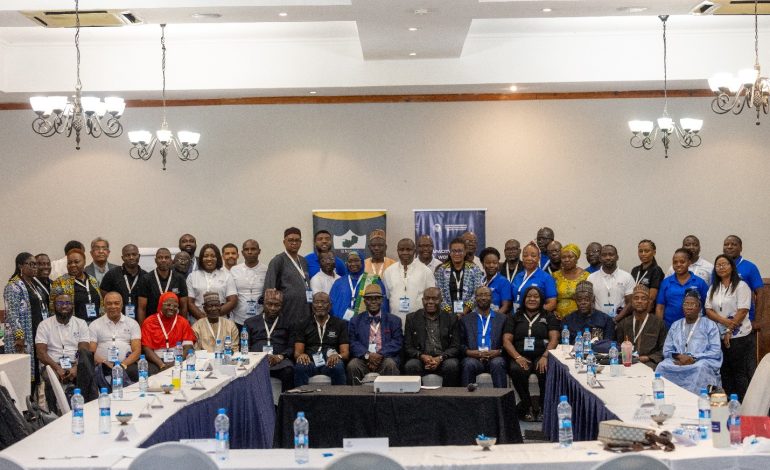
Uganda Martyrs University (UMU) held an institutional workshop on 11th September 2025 that focused on building equitable partnerships for sustainable research collaborations. This one-day event, which took place at its Lubaga Campus, brought together key stakeholders of the university, including researchers and administrators, who discussed strategies for fostering mutually beneficial partnerships in research. The event is part of a project funded by the British Academy under the UK Government’s International Science Partnerships Fund that aims to strengthen equitable partnerships in international research collaborations in Uganda. This project involves four Ugandan research institutions, namely, Makerere University, Uganda Martyrs University, Mountains of the Moon University, and National Agricultural Research Organization, and Nottingham Trent University in the UK.
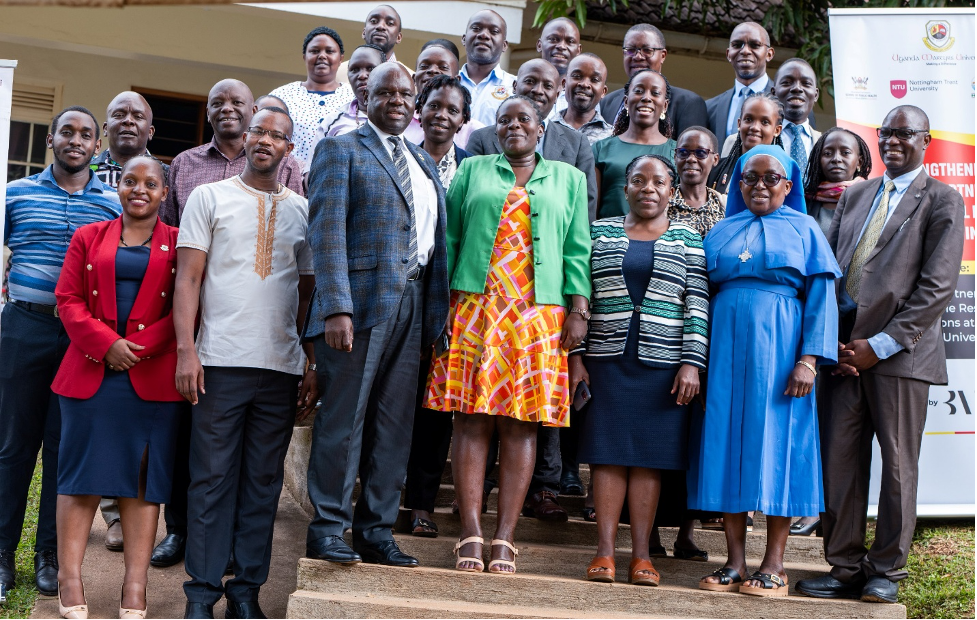
Dr. Albert Luswata, the project Co-Principal investigator, noted that both the keynote speaker and the discussant were chosen not because they are Vice Chancellors (UMU and IGUKA respectively) but because they have participated in many international partnerships and have published on the same.
Key Takeaways:
- sustainably addressing global development challenges requires working together in equitable partnerships, ensuring fairness of opportunity and process, and sharing of benefits, costs, and responsibilities at all stages.
- Challenges include power imbalances, differences in research capacities, changing funding environment, and sustainability.
- Solutions include involving stakeholders in priority setting, call design, resource allocation, and publication.
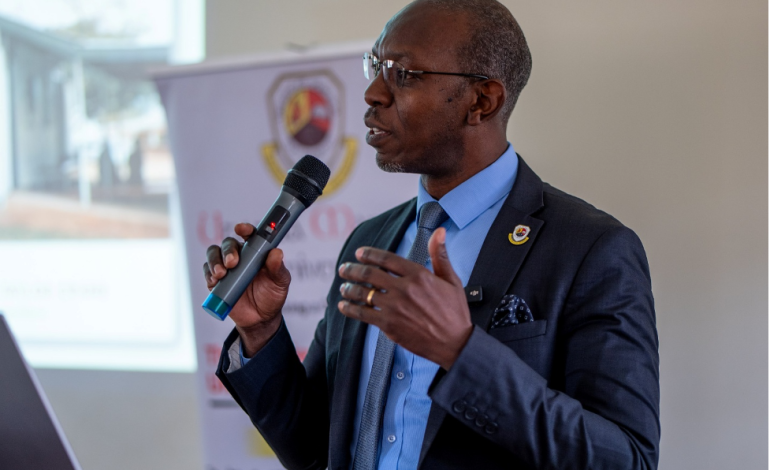
In his keynote address, the Vice Chancellor of UMU, Professor Patrick Edrin Kyamanywa, emphasized the need to rethink partnerships in an uneven world. He argued “the growing global challenges, the changing funding environment and the need for a sustainable impact require that we demand for equitable partnerships.” He observed that those in the South sometimes sacrifice equity in order to be able to access funding, making them vulnerable. For Professor Kyamanywa, to achieve equitable partnerships, “there should be commitment to prioritizing equity to avoid being instrumentalized.” This commitment, he underlines, should be intentional right from the start of the negotiations by letting expectations known to the partners and donors even before formalizing the collaboration. “Talk about the collaboration, not only the money,” he strongly emphasized.
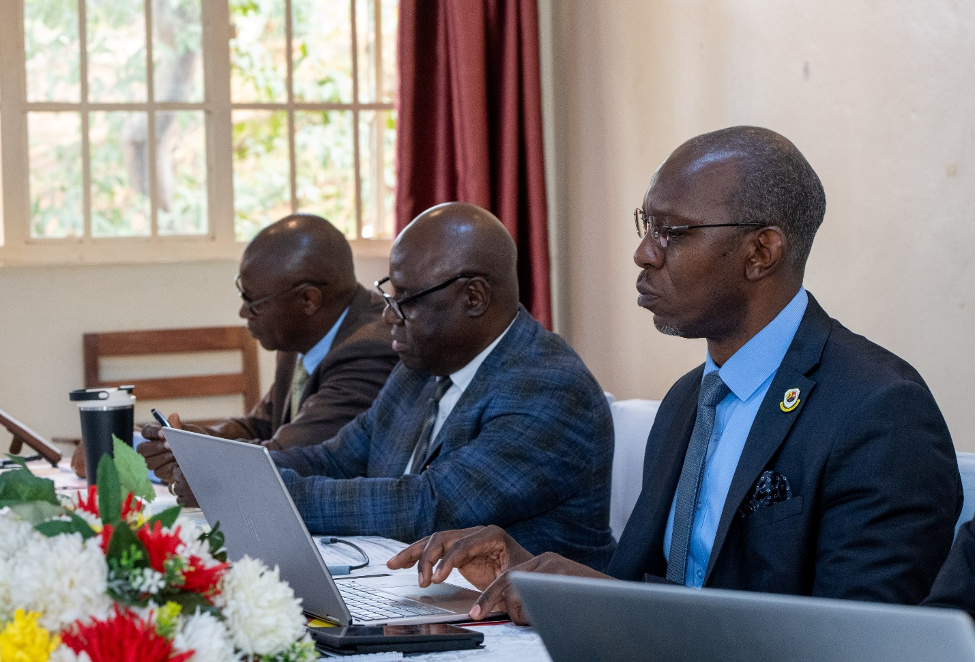
While noting that most collaborations start at individual level and then to the institution and community, Professor Kyamanywa argued that there should be commitment to communication and to relationship building with individuals, institutions and community. “The sustainability of a collaboration very much hinges on the collaboration of the individual, which makes it work since you become friends, then collaborators.” But he emphasized the ethical dimensions of collaborative research partnerships. “Partnerships should be based on mutual trust, friendship, respect, accountability and other ethical values’” he said.
He cautioned that the trust you build with partners matters a lot. “If you can’t be trusted or accountable, no one will want to partner with you.” For equitable collaborations, he also emphasized the importance of long term focus, output, co-ownership and stakeholder involvement at all stages, with clarity of roles, expectations and milestones. Priority setting, call design, resources allocation and implementation should be participatory, involving all stakeholders, including partners and the community, instead of appending them when all is already decided. This also applies to publications where southern partners should have equal opportunity to be first authors and not relegated to data collectors. “Equity means fairness of opportunity, process, sharing of benefits, costs and responsibilities”, he noted. For him, there is also a need to understand the context in which the partners are operating to achieve a sustainable impact. This requires sensitivity to the local requirements. For instance, there should be respect for local ethical approvals instead of assuming that the approvals are already done by the northern ethics committees.
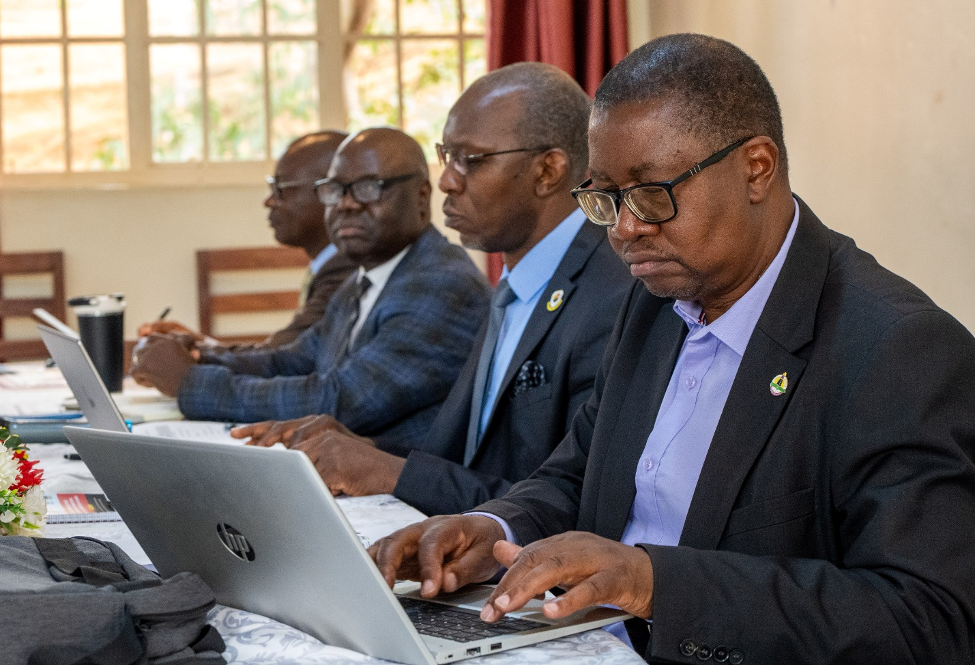
In his response to the keynote address, the Vice Chancellor of St. Ignatius University Kabale (IGUKA), Professor Maximiano Ngabirano, cautioned that equity should move from rhetoric to reality and that global frameworks sometimes eclipse local realities. He noted that capacity building is usually reduced to workshops and short-term benefits and without ensuring long term sustainability and sustainable impact. For him, success of equitable partnerships should be measured by their changing of lives of people and not just publications.
Other participants emphasized the need to enshrine how research outputs are to be disseminated to local communities, the need to respect local procurement procedures instead of imposing those of the donor and sharing the role of mapping collaborators instead of leaving it to the north partners.
UMU’s Commitment to Research Collaboration
UMU has been actively engaging in research collaborations with local and international partners, focusing on areas such as health, business, and agro-ecology. The university is committed to strengthening its research capacity and fostering partnerships that drive innovation and impact.
Next Steps
The workshop concluded with a call to action for researchers and administrators at the University to prioritize equitable partnerships in their collaborations, managing relationships with the partners by “giving ourselves value” and negotiating better partnerships for mutual benefit. Participants also agreed to work towards more transparency and accountability and recognizing what projects do beyond publication. Clear guidelines on equitable partnerships will also be developed.